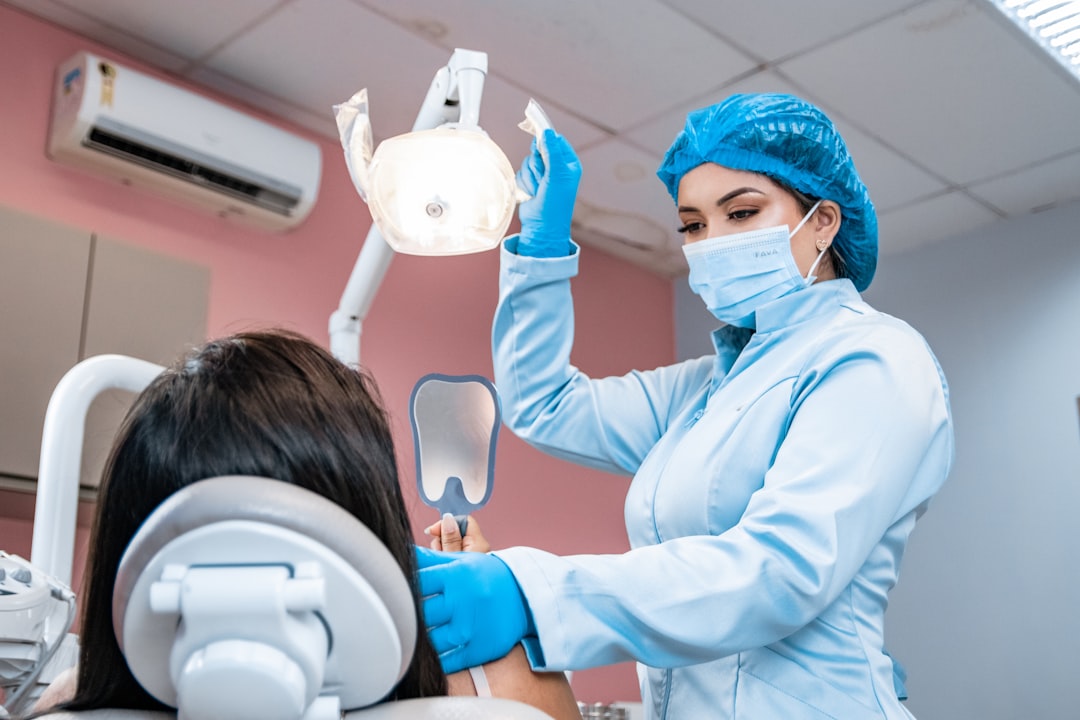
When we think about dental care, we often picture routine check-ups and cleanings. However, urgent dental care is a critical aspect that we must not overlook. Urgent dental care refers to the immediate treatment of dental issues that require prompt attention to alleviate pain, prevent further complications, or save a tooth. This type of care is essential for addressing situations that arise unexpectedly, such as severe toothaches, broken teeth, or injuries to the mouth. Understanding the nature of urgent dental care helps us recognize when we need to seek help and how to respond effectively.
In our daily lives, we may encounter various situations that necessitate urgent dental care. Whether it’s a sports injury, a sudden toothache, or a dental appliance malfunction, knowing what constitutes an emergency can make a significant difference in our oral health outcomes. We should be aware that not all dental issues require immediate attention, but those that do can lead to severe pain or complications if left untreated. By familiarizing ourselves with the concept of urgent dental care, we empower ourselves to take action when necessary and ensure that our dental health remains a priority.
Common Dental Emergencies
As we navigate our lives, we may find ourselves facing several common dental emergencies that require immediate attention. One of the most prevalent issues is a severe toothache, which can stem from various causes such as tooth decay, gum disease, or an abscess. The pain can be debilitating and often indicates an underlying problem that needs to be addressed promptly. Recognizing the signs of a toothache and understanding its potential causes can help us seek the right treatment before the situation escalates.
Another common dental emergency is a broken or chipped tooth. This can occur due to accidents, falls, or even biting down on hard foods. A fractured tooth not only affects our appearance but can also lead to increased sensitivity and pain. In some cases, it may expose the inner pulp of the tooth, increasing the risk of infection. When we experience a broken tooth, it’s crucial to seek urgent dental care to assess the damage and determine the best course of action for repair.
Finding an Emergency Dentist in Boston

When faced with a dental emergency in Boston, knowing how to find an emergency dentist can alleviate some of the stress associated with the situation. We can start by searching online for local dental practices that offer emergency services. Many dental offices provide information about their availability for urgent care on their websites, making it easier for us to identify potential options. Additionally, we can ask friends or family for recommendations based on their experiences with emergency dental care in the area.
Once we have identified a few potential emergency dentists, it’s essential to consider their qualifications and the services they offer. We should look for dentists who are experienced in handling urgent cases and have positive reviews from previous patients. It’s also helpful to check if they are affiliated with local hospitals or dental associations, as this can indicate a higher level of professionalism and expertise. By taking these steps, we can ensure that we find a qualified emergency dentist who can provide the care we need when it matters most.
What to Do in a Dental Emergency

In the event of a dental emergency, knowing how to respond can significantly impact our outcome. The first step is to remain calm and assess the situation. If we are experiencing severe pain or have sustained an injury, it’s crucial to contact an emergency dentist as soon as possible. While waiting for our appointment, we can take measures to manage our discomfort. For instance, rinsing our mouth with warm salt water can help reduce inflammation and cleanse the area.
If we have lost a tooth due to trauma, it’s vital to act quickly. We should try to locate the tooth and handle it by the crown rather than the root to avoid damaging delicate tissues. If possible, we can gently rinse the tooth with water and attempt to reinsert it into its socket. If that’s not feasible, placing the tooth in a container with milk or saline solution can help preserve it until we reach the dentist. Taking these steps can increase the chances of saving the tooth and minimizing further complications.
Cost of Urgent Dental Care
| Metric | Details |
|---|---|
| Average Wait Time | 15-30 minutes |
| Common Urgent Dental Issues | Toothache, Broken Tooth, Abscess, Lost Filling, Severe Gum Pain |
| Number of Urgent Care Clinics in Boston | 15+ |
| Operating Hours | Most clinics open 8 AM – 8 PM, some 24/7 |
| Average Cost of Urgent Dental Visit | 100 – 300 (varies by treatment) |
| Insurance Accepted | Most major dental insurances, Medicaid, and self-pay options |
| Emergency Contact Number | +1 617-555-1234 (example) |
Understanding the cost of urgent dental care is essential for us as we navigate potential emergencies. The expenses associated with emergency dental treatment can vary widely depending on several factors, including the nature of the issue, the type of treatment required, and the location of the dental practice. In general, urgent care visits tend to be more expensive than routine check-ups due to the immediate attention and resources involved.
We should also consider additional costs that may arise from diagnostic tests such as X-rays or treatments like root canals or extractions. It’s wise for us to inquire about pricing upfront when contacting an emergency dentist so that we can prepare financially for any necessary procedures. While urgent dental care may seem costly at first glance, prioritizing our oral health and addressing issues promptly can ultimately save us from more significant expenses down the line.
Insurance Coverage for Emergency Dental Care
When faced with a dental emergency, understanding our insurance coverage is crucial in managing costs effectively. Many dental insurance plans offer coverage for urgent care services; however, the extent of that coverage can vary significantly between policies. We should review our insurance plan carefully to determine what types of emergency treatments are included and whether there are any limitations or exclusions.
If we do not have insurance or our plan does not cover certain procedures, it’s essential to discuss payment options with our dentist’s office. Many practices offer financing plans or payment arrangements that can help us manage costs more effectively. By being proactive about understanding our insurance coverage and exploring available options, we can ensure that financial concerns do not prevent us from receiving necessary urgent dental care.
Tips for Managing Dental Pain
Managing dental pain during an emergency is vital for our comfort and well-being. While waiting for professional treatment, there are several strategies we can employ to alleviate discomfort. Over-the-counter pain relievers such as ibuprofen or acetaminophen can be effective in reducing pain and inflammation. We should follow the recommended dosage instructions carefully and consult with a healthcare professional if we have any concerns about medication interactions.
In addition to medication, applying a cold compress to the outside of our cheek near the affected area can help numb pain and reduce swelling. We can also try rinsing our mouth with warm salt water to soothe irritated gums or tissues. Staying hydrated and avoiding hard or crunchy foods during this time can further minimize discomfort while we await treatment from an emergency dentist.
Preparing for a Dental Emergency
While we cannot predict when a dental emergency will occur, preparing ourselves in advance can make a significant difference in how we respond when one arises. One effective way to prepare is by identifying local emergency dentists and saving their contact information in our phones or keeping it readily accessible at home. This way, if an emergency does occur, we won’t waste precious time searching for help.
Additionally, we should consider creating a dental emergency kit that includes essential items such as gauze pads, a cold pack, over-the-counter pain relievers, and any necessary contact information for our dentist or local emergency services. By taking these proactive steps, we equip ourselves with the tools needed to handle unexpected situations more effectively and confidently.
Importance of Prompt Treatment
The importance of prompt treatment in a dental emergency cannot be overstated. Delaying necessary care can lead to worsening conditions and more complex treatments down the line. For instance, what may start as a simple cavity could escalate into an abscessed tooth if left untreated, resulting in increased pain and higher costs for treatment. By seeking immediate attention from an emergency dentist, we increase our chances of preserving our teeth and maintaining overall oral health.
Moreover, prompt treatment often leads to better outcomes in terms of pain management and recovery time. When we address issues quickly, we minimize discomfort and reduce the risk of complications that could arise from untreated conditions. Understanding this urgency encourages us to prioritize our oral health and take action when faced with a dental emergency.
Follow-up Care after Urgent Dental Treatment
After receiving urgent dental treatment, follow-up care is essential for ensuring proper healing and preventing future issues. Our dentist will likely provide specific instructions regarding post-treatment care, which may include recommendations for pain management, dietary restrictions, or oral hygiene practices. Adhering to these guidelines is crucial for promoting recovery and minimizing complications.
In some cases, follow-up appointments may be necessary to monitor healing progress or address any lingering issues related to the initial emergency. We should not hesitate to reach out to our dentist if we experience any unusual symptoms or concerns during our recovery period. By staying engaged in our post-treatment care, we contribute to our overall oral health and well-being.
Preventing Dental Emergencies
While not all dental emergencies are preventable, there are several proactive measures we can take to reduce our risk significantly. Maintaining good oral hygiene practices is fundamental; brushing twice daily, flossing regularly, and visiting our dentist for routine check-ups can help us catch potential issues before they escalate into emergencies.
Additionally, wearing protective gear during sports activities can safeguard our teeth from injuries that could lead to emergencies. We should also be mindful of our dietary choices; avoiding excessively hard foods and practicing caution when consuming items like popcorn or hard candy can help protect our teeth from fractures or damage. By adopting these preventive strategies, we empower ourselves to maintain healthy smiles while minimizing the likelihood of unexpected dental crises in the future.
In conclusion, understanding urgent dental care is vital for all of us as it equips us with knowledge about how to respond effectively during emergencies. By recognizing common dental emergencies and knowing how to find an emergency dentist in Boston, we position ourselves better for swift action when needed. Furthermore, being aware of costs associated with urgent care and insurance coverage allows us to manage financial concerns proactively.
By preparing for potential emergencies and prioritizing prompt treatment when issues arise, we enhance our chances of favorable outcomes while minimizing discomfort and complications down the line. Ultimately, by taking preventive measures and staying informed about our oral health needs, we can work towards maintaining healthy smiles while reducing the risk of unexpected dental emergencies in our lives.