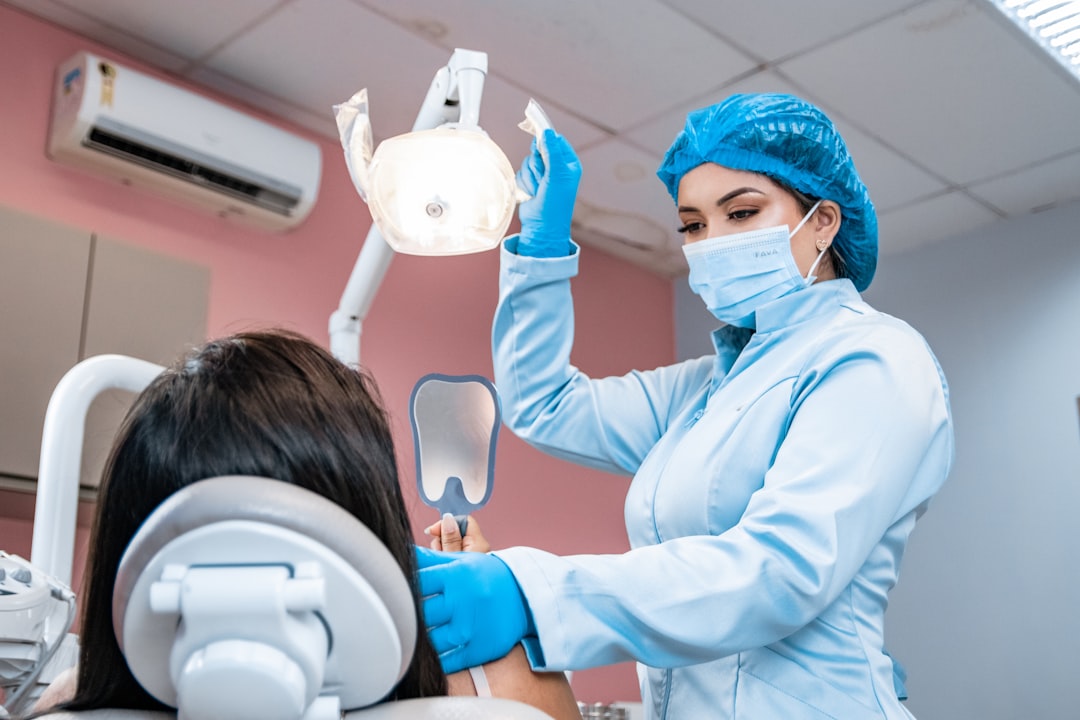
When we think about dental health, we often focus on brushing and flossing, but the integrity of our fillings is equally important. A filling is a restorative material used to repair a tooth that has been damaged by decay or trauma. Over time, however, these fillings can become loose or fall out entirely due to various factors, including wear and tear, improper placement, or even changes in temperature. Understanding the reasons behind lost fillings helps us appreciate the importance of maintaining our dental health and seeking timely repairs.
Lost fillings can lead to more significant dental issues if not addressed promptly. When a filling falls out, it exposes the underlying tooth structure to bacteria and food particles, increasing the risk of further decay or infection. Additionally, the loss of a filling can cause discomfort or sensitivity, making it difficult for us to enjoy our favorite foods. By recognizing the implications of lost fillings, we can take proactive steps to ensure our dental health remains intact.
Signs and Symptoms of a Lost Filling
Identifying a lost filling can sometimes be straightforward, but other times it may require a keen awareness of our oral health. One of the most common signs is a sudden increase in sensitivity to hot or cold temperatures. If we notice that certain foods or beverages cause discomfort in a specific tooth, it may indicate that a filling has come loose or fallen out. Additionally, we might experience pain when chewing, which can be a clear signal that something is amiss.
Another symptom to watch for is the presence of a visible hole or gap in the tooth where the filling once was. This can often be accompanied by a rough or jagged edge that we can feel with our tongue. If we notice any of these signs, it’s crucial to schedule an appointment with our dentist as soon as possible. Ignoring these symptoms can lead to more severe complications down the line.
Importance of Prompt Repair
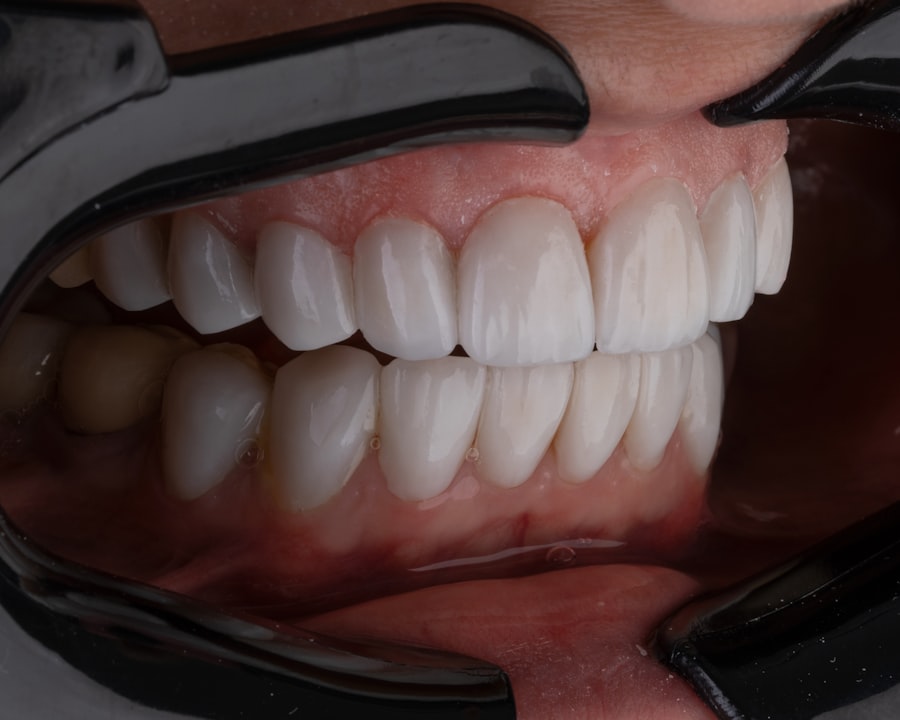
The importance of addressing a lost filling cannot be overstated. When we allow a lost filling to go unrepaired, we risk exposing our teeth to further decay and potential infection. The longer we wait to seek treatment, the more complicated and costly the repair process may become. By acting quickly, we can prevent additional damage and maintain the overall health of our teeth.
Moreover, prompt repair helps us avoid unnecessary discomfort. A lost filling can lead to increased sensitivity and pain, making it challenging for us to eat or drink comfortably. By seeking timely treatment, we can alleviate these symptoms and restore our ability to enjoy our meals without worry. Ultimately, addressing a lost filling promptly is an investment in our long-term dental health and well-being.
Options for Lost Filling Repair in Boston

In Boston, we have access to various options for repairing lost fillings, ensuring that we can find a solution that meets our needs. One common approach is to replace the lost filling with a new one made from materials such as composite resin or amalgam. Composite fillings are popular due to their natural appearance and ability to blend seamlessly with our teeth, while amalgam fillings are known for their durability and strength.
Another option available to us is dental crowns. If the tooth has sustained significant damage beyond what a filling can repair, a crown may be necessary to restore its function and appearance. Crowns encase the entire tooth, providing protection and support while also enhancing its aesthetic appeal. Our dentist will evaluate our specific situation and recommend the most appropriate treatment based on the extent of the damage and our personal preferences.
Benefits of Restoring Smiles with Lost Filling Repair
| Metric | Value | Details |
|---|---|---|
| Average Repair Cost | 150 – 300 | Typical range for lost filling repair in Boston clinics |
| Average Appointment Duration | 30 – 45 minutes | Time required for filling replacement procedure |
| Common Filling Materials | Composite Resin, Amalgam | Materials used for lost filling repairs |
| Success Rate | 95% | Percentage of successful repairs without complications |
| Number of Clinics Offering Service | 50+ | Estimated number of dental clinics in Boston providing lost filling repair |
| Average Wait Time for Appointment | 3 – 7 days | Typical wait time to schedule a lost filling repair |
Restoring a lost filling not only addresses immediate dental concerns but also offers numerous benefits for our overall well-being. One of the most significant advantages is the restoration of our smile’s appearance. A well-placed filling or crown can enhance the aesthetics of our teeth, boosting our confidence and encouraging us to smile more freely.
Additionally, repairing lost fillings contributes to improved oral health. By sealing off any exposed areas of decay or damage, we reduce the risk of further complications such as infections or abscesses. This proactive approach helps us maintain healthy teeth and gums, ultimately leading to better overall health outcomes. When we invest in repairing lost fillings, we are investing in our long-term dental health and quality of life.
Choosing the Right Dentist for Lost Filling Repair
Selecting the right dentist for lost filling repair is crucial for ensuring a successful outcome. We should look for a dentist who has experience in restorative dentistry and a solid reputation within the community. Reading reviews and seeking recommendations from friends or family can help us identify practitioners who prioritize patient care and comfort.
Moreover, it’s essential to consider the dentist’s approach to treatment. We want someone who takes the time to explain our options clearly and addresses any concerns we may have. A good dentist will not only focus on repairing the lost filling but also provide guidance on maintaining our oral health moving forward. By choosing a dentist who aligns with our values and needs, we can feel confident in our treatment journey.
The Process of Repairing a Lost Filling
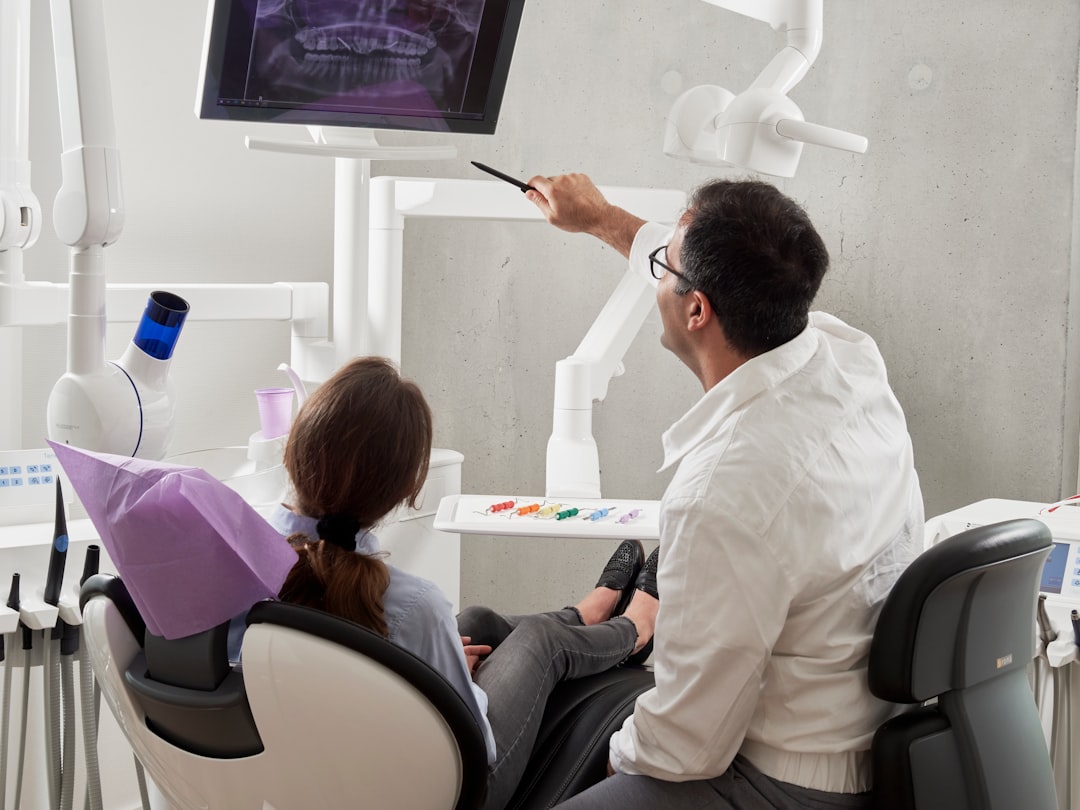
The process of repairing a lost filling typically begins with an initial consultation where our dentist will assess the affected tooth and discuss our symptoms. They may take X-rays to determine the extent of any underlying damage or decay that may not be visible during a visual examination. Once they have gathered all necessary information, they will present us with treatment options tailored to our specific situation.
If we opt for a new filling, the dentist will first clean out any debris or decay from the affected area before applying the new material. This process usually involves numbing the area with local anesthesia to ensure our comfort throughout the procedure. Once the new filling is placed, the dentist will shape and polish it to ensure it fits seamlessly with our natural teeth. If a crown is needed instead, additional steps may be involved, including taking impressions for custom fabrication before placing a temporary crown until the permanent one is ready.
Aftercare and Maintenance for Restored Fillings
After undergoing lost filling repair, it’s essential for us to follow proper aftercare instructions to ensure the longevity of our restoration. Our dentist will likely advise us to avoid certain foods for a short period after the procedure, especially if we received anesthesia that may affect our ability to chew properly. Soft foods are often recommended during this time to minimize any discomfort.
Maintaining good oral hygiene practices is crucial for preserving our restored fillings as well. We should continue brushing twice daily and flossing regularly while being mindful around the repaired area to avoid dislodging or damaging the new filling. Regular dental check-ups will also help us monitor the condition of our fillings and address any concerns before they escalate into more significant issues.
Cost of Lost Filling Repair in Boston
The cost of repairing a lost filling in Boston can vary widely depending on several factors, including the type of material used for the filling, the complexity of the repair, and whether additional treatments are necessary. On average, patients can expect to pay anywhere from $100 to $300 for a standard filling replacement; however, this cost may increase if more extensive work is required.
It’s important for us to discuss payment options with our dentist’s office before proceeding with treatment. Many dental practices offer financing plans or accept insurance that can help offset some of these costs. By being proactive about understanding potential expenses upfront, we can make informed decisions about our dental care without financial stress.
Preventing Future Lost Fillings
Preventing future lost fillings requires a combination of good oral hygiene practices and regular dental visits. We should continue brushing twice daily with fluoride toothpaste and flossing at least once per day to keep plaque buildup at bay. Additionally, using an antibacterial mouthwash can help reduce bacteria in our mouths that contribute to decay.
Regular check-ups with our dentist are also vital for catching potential issues before they escalate into more significant problems. During these visits, our dentist can assess the condition of existing fillings and recommend any necessary repairs or replacements before they become urgent concerns. By prioritizing preventive care, we can significantly reduce our risk of experiencing lost fillings in the future.
Testimonials from Patients who have Undergone Lost Filling Repair in Boston
Hearing from patients who have undergone lost filling repair can provide valuable insight into what we might expect from the process. Many individuals share positive experiences about how quickly their discomfort was alleviated after receiving treatment. One patient noted that after losing a filling while eating popcorn, they were relieved by how efficiently their dentist addressed their issue and restored their smile.
Others emphasize how important it was for them to choose a dentist who made them feel comfortable throughout their treatment journey. Testimonials often highlight how clear communication about procedures helped ease their anxiety and allowed them to make informed decisions about their care. These shared experiences remind us that seeking timely repair for lost fillings not only restores dental health but also enhances overall confidence in our smiles.
In conclusion, understanding lost fillings is crucial for maintaining optimal dental health. By recognizing signs and symptoms early on and seeking prompt repair options available in Boston, we can prevent further complications while restoring both function and aesthetics to our smiles. With proper aftercare and preventive measures in place, we can enjoy healthy teeth for years to come.