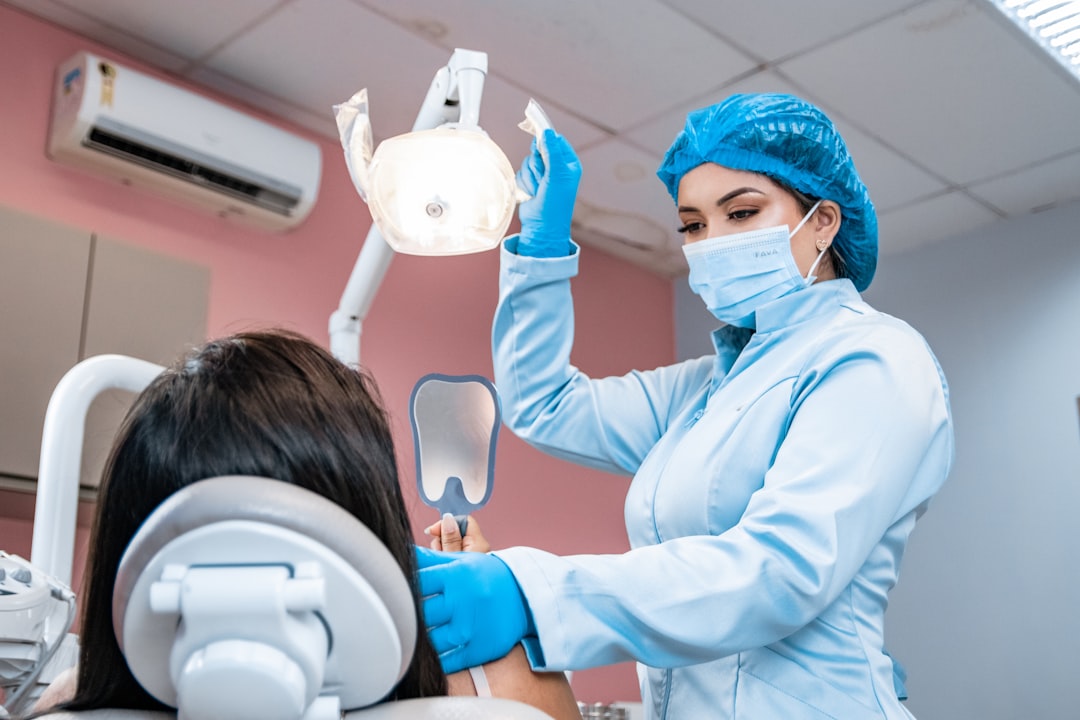
When we think about dental care, we often picture routine check-ups and cleanings. However, the role of an emergency dentist is crucial in addressing urgent dental issues that can arise unexpectedly. Emergency dentists are specially trained to handle a variety of dental crises, from severe toothaches to traumatic injuries. They provide immediate care to alleviate pain, prevent further complications, and restore oral health. This specialized focus allows them to act quickly and effectively, ensuring that patients receive the treatment they need when they need it most.
In many cases, emergency dentists work outside of regular office hours, making them accessible during evenings and weekends. This availability is essential for those who experience sudden dental problems that cannot wait for a scheduled appointment. By understanding the role of an emergency dentist, we can appreciate the importance of having access to immediate dental care and the peace of mind it brings during stressful situations.
Common Dental Emergencies and Their Symptoms
Dental emergencies can manifest in various forms, and recognizing the symptoms is vital for prompt treatment. One of the most common emergencies we may encounter is a severe toothache, which can indicate an underlying issue such as an abscess or tooth decay. The pain may be sharp or throbbing and can be accompanied by swelling or sensitivity to hot and cold temperatures. Identifying these symptoms early can help us seek the necessary care before the situation worsens.
Another frequent dental emergency involves a knocked-out tooth. This can happen due to accidents, sports injuries, or falls. If we find ourselves in this situation, it’s crucial to handle the tooth carefully by holding it by the crown and rinsing it gently without scrubbing. We should try to place it back in its socket if possible or keep it moist in milk or saline until we can reach an emergency dentist. Recognizing these symptoms and knowing how to respond can significantly impact the outcome of our dental health.
Finding an Emergency Dentist in Boston

When faced with a dental emergency, knowing how to find an emergency dentist in Boston can make all the difference. We can start by searching online for local dental practices that offer emergency services. Many dental offices provide information on their websites about their availability for urgent care, including contact numbers for after-hours emergencies. Additionally, we can ask friends, family, or coworkers for recommendations based on their experiences.
Another effective way to locate an emergency dentist is through our insurance provider’s directory. Most insurance companies maintain lists of participating dentists, including those who offer emergency services. By checking this resource, we can ensure that we find a qualified professional who accepts our insurance plan, which can help alleviate some of the financial stress associated with unexpected dental visits.
What to Expect During an Emergency Dental Visit

Arriving at an emergency dental appointment can be a nerve-wracking experience, but understanding what to expect can help ease our anxiety. Upon arrival, we will typically be greeted by the staff who will ask about our symptoms and medical history. It’s essential to provide accurate information about our condition so that the dentist can make an informed diagnosis. After a brief consultation, we may undergo a physical examination and possibly X-rays to assess the situation thoroughly.
Once the dentist has evaluated our condition, they will discuss potential treatment options with us. Depending on the severity of the issue, treatment may involve anything from pain management and temporary fixes to more extensive procedures like root canals or extractions. Throughout this process, we should feel comfortable asking questions and expressing any concerns we may have about the treatment plan. Open communication with our dentist is key to ensuring that we receive the best possible care during our emergency visit.
Tips for Managing Dental Pain at Home
| Metric | Details |
|---|---|
| Average Wait Time | 15-30 minutes |
| Availability | 24/7 emergency services |
| Common Emergency Treatments | Tooth extraction, root canal, pain relief, trauma care |
| Typical Response Time | Within 1 hour |
| Number of Emergency Dentists in Boston | Approximately 20-30 clinics |
| Insurance Accepted | Most major dental insurances |
| Average Cost of Emergency Visit | Varies by treatment, typically 100-300 |
| Languages Spoken | English, Spanish, and others |
While waiting for our emergency dental appointment, managing dental pain at home can provide some relief. One effective method is to use over-the-counter pain relievers such as ibuprofen or acetaminophen, following the recommended dosage on the packaging. These medications can help reduce inflammation and alleviate discomfort until we receive professional care.
In addition to medication, applying a cold compress to the affected area can also be beneficial. We can wrap ice in a cloth or use a cold pack and place it against our cheek for 15-20 minutes at a time. This not only helps numb the pain but also reduces swelling if there is any present. Staying hydrated and avoiding hard or chewy foods can further minimize discomfort while we await our dental appointment.
The Importance of Seeking Prompt Dental Care
Seeking prompt dental care during an emergency is crucial for several reasons. First and foremost, addressing dental issues quickly can prevent further complications that may arise from delaying treatment. For instance, an untreated tooth infection can spread to other areas of the body, leading to more severe health problems. By acting swiftly, we can mitigate these risks and protect our overall well-being.
Moreover, timely intervention often results in better outcomes for our dental health. The sooner we receive treatment for issues like fractures or severe decay, the more likely we are to save the affected tooth and avoid more invasive procedures down the line. Understanding the importance of prompt care empowers us to take action when faced with a dental emergency, ultimately leading to healthier smiles.
How to Prepare for a Dental Emergency
Preparation is key when it comes to handling potential dental emergencies effectively. One of the first steps we can take is to identify a local emergency dentist before a crisis occurs. By having their contact information readily available, we can save valuable time during an emergency situation when every minute counts.
Additionally, keeping a dental first-aid kit at home can be incredibly helpful. This kit might include items such as gauze pads, dental wax for temporary relief from sharp edges, and a small container for preserving knocked-out teeth. Familiarizing ourselves with basic first-aid techniques for dental emergencies can also equip us with the knowledge needed to respond appropriately when faced with unexpected situations.
Insurance Coverage for Emergency Dental Services
Understanding our insurance coverage for emergency dental services is essential in managing both our health and finances during a crisis. Many insurance plans offer coverage for urgent dental care; however, the extent of that coverage can vary significantly between providers. We should take the time to review our policy details or contact our insurance company directly to clarify what services are included under emergency care.
In some cases, insurance may cover a portion of the costs associated with emergency visits, including examinations, X-rays, and necessary treatments. Knowing this information ahead of time allows us to make informed decisions about our care without being caught off guard by unexpected expenses during an already stressful time.
The Difference Between Regular and Emergency Dental Care
While both regular and emergency dental care aim to maintain oral health, there are significant differences between the two types of services. Regular dental care typically involves preventive measures such as cleanings, check-ups, and routine treatments aimed at maintaining overall oral hygiene. These appointments are scheduled in advance and focus on long-term health strategies.
In contrast, emergency dental care addresses urgent issues that require immediate attention due to pain or trauma. These situations often arise unexpectedly and necessitate quick action to alleviate discomfort and prevent further damage. Understanding this distinction helps us recognize when it’s appropriate to seek immediate care versus when we can wait for a routine appointment.
Preventing Dental Emergencies
While not all dental emergencies are preventable, there are several proactive steps we can take to reduce our risk of experiencing one. Maintaining good oral hygiene through regular brushing and flossing is fundamental in preventing issues like cavities and gum disease that could lead to emergencies down the line. Additionally, scheduling routine check-ups with our dentist allows for early detection of potential problems before they escalate into crises.
We should also consider wearing protective gear during activities that pose a risk of injury to our teeth, such as sports or high-impact hobbies. Mouthguards are particularly effective in safeguarding against trauma that could result in broken or knocked-out teeth. By taking these preventive measures seriously, we can significantly decrease our chances of facing a dental emergency.
The Benefits of Having an Emergency Dentist on Call
Having an emergency dentist on call offers numerous benefits that extend beyond immediate access to care. Knowing that there is a professional available who understands our unique dental history provides peace of mind during stressful situations. This familiarity allows for more personalized treatment options tailored to our specific needs.
Furthermore, having an established relationship with an emergency dentist means that they are already familiar with our medical history and any ongoing treatments we may be undergoing. This continuity of care ensures that we receive comprehensive treatment during emergencies without having to start from scratch with a new provider. Ultimately, having an emergency dentist on call enhances our overall dental experience and contributes positively to our long-term oral health journey.
In conclusion, understanding the role of an emergency dentist and being prepared for potential dental crises empowers us to take control of our oral health. By recognizing common emergencies, knowing how to find care in Boston, managing pain at home, and understanding insurance coverage, we position ourselves better for any unexpected situations that may arise. Through proactive measures and maintaining open communication with our dental providers, we can navigate emergencies effectively while prioritizing our well-being.