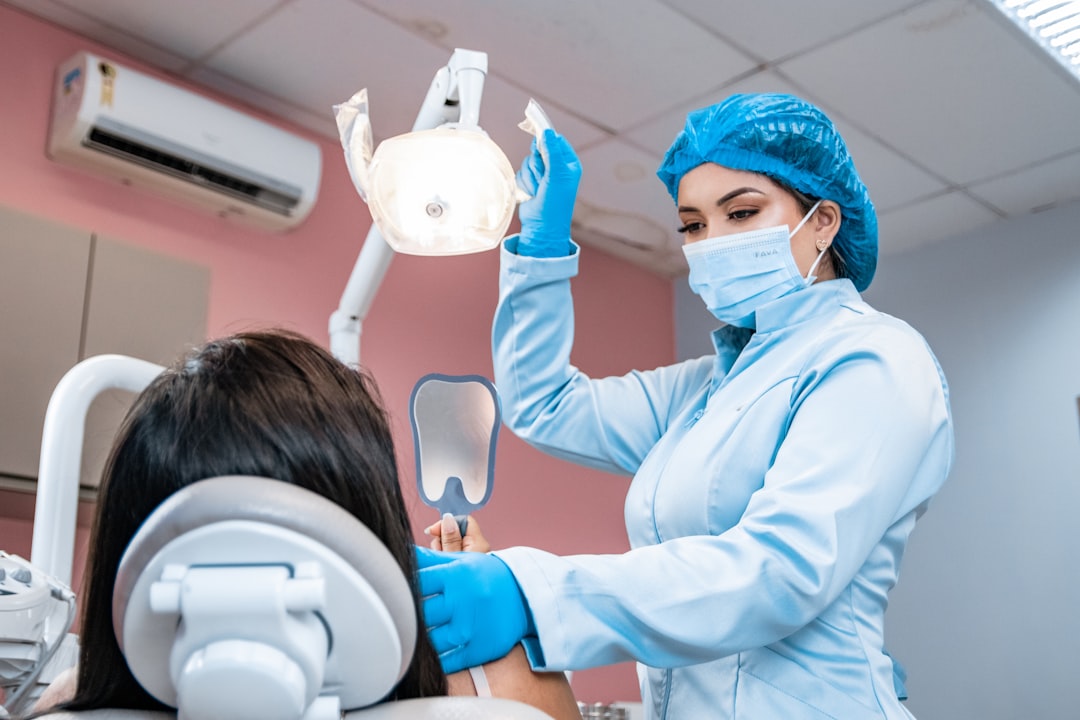
When we think about dental emergencies, we often picture a broken tooth or severe pain. However, one of the most critical solutions in such situations is the emergency dental crown. An emergency dental crown is a protective cap placed over a damaged or decayed tooth to restore its shape, size, and function. Unlike traditional crowns that may be planned and scheduled, emergency crowns are typically fabricated and placed in a single visit, allowing us to address urgent dental issues promptly.
These crowns can be made from various materials, including porcelain, metal, or resin, depending on the specific needs of our dental health and aesthetic preferences. The primary goal of an emergency dental crown is to provide immediate relief and protection to a compromised tooth, preventing further damage and alleviating discomfort. In essence, it serves as a temporary or permanent solution that can help us regain our oral health and confidence.
Common Causes of Needing an Emergency Dental Crown
There are several reasons why we might find ourselves in need of an emergency dental crown. One of the most common causes is tooth decay that has progressed to a point where a filling is no longer sufficient. When decay penetrates deep into the tooth structure, it can weaken the tooth significantly, necessitating the placement of a crown to restore its integrity and function.
Another frequent reason for requiring an emergency crown is trauma or injury to the tooth. Accidents can happen at any time, whether during sports activities, falls, or even biting down on something hard. Such incidents can lead to fractures or chips in the tooth, which not only cause pain but also expose the inner layers of the tooth to bacteria and further damage. In these cases, an emergency dental crown becomes essential to protect the tooth and prevent complications.
The Importance of Fast Treatment for Dental Crowns
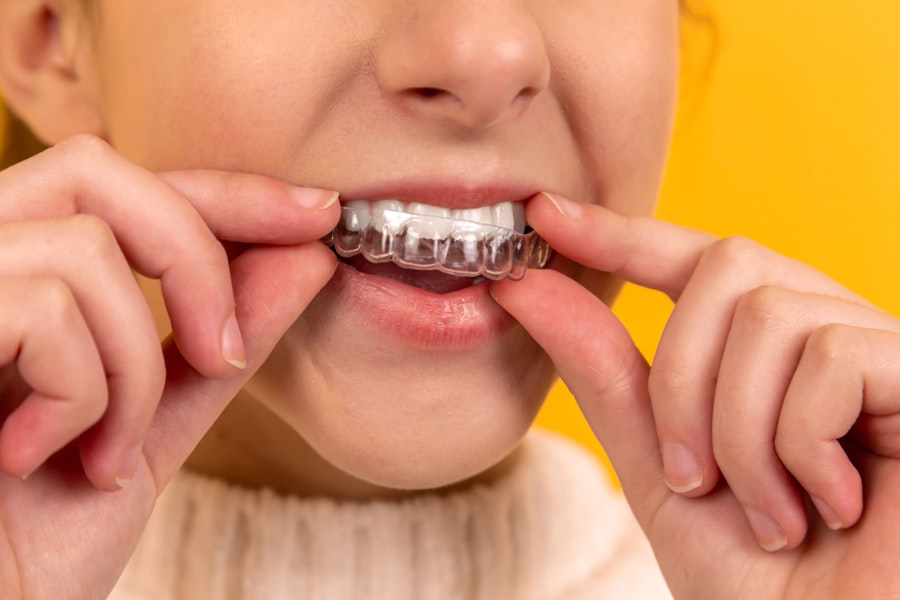
When we experience a dental emergency that requires a crown, time is of the essence. Delaying treatment can lead to more severe complications, including infections or the need for more extensive procedures like root canals or extractions. By seeking immediate care, we can mitigate these risks and ensure that our dental health remains intact.
Fast treatment also helps alleviate pain and discomfort associated with damaged teeth. The longer we wait to address the issue, the more likely we are to experience heightened sensitivity or throbbing pain. An emergency dental crown not only protects the tooth but also provides relief from these symptoms, allowing us to return to our daily activities without the burden of dental distress.
Finding a Reliable Emergency Dental Crown Provider in Boston
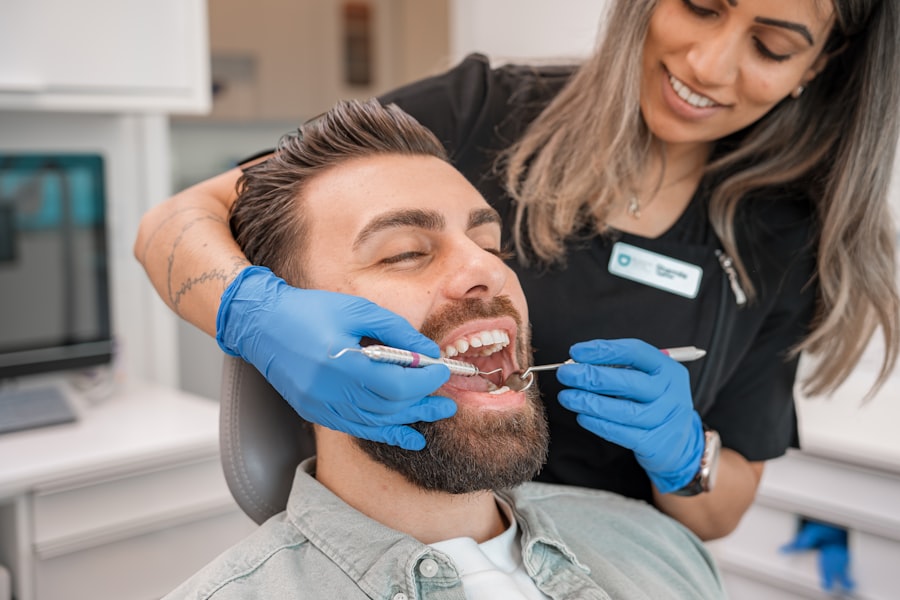
In Boston, finding a reliable provider for emergency dental crowns is crucial for ensuring we receive quality care when we need it most. We should start by researching local dental clinics that offer emergency services. Online reviews and testimonials can provide valuable insights into the experiences of other patients, helping us gauge the quality of care provided.
Additionally, we can seek recommendations from friends or family members who have had similar experiences. A trusted referral can lead us to a skilled dentist who specializes in emergency procedures. It’s also essential to verify that the dental practice is equipped with modern technology and materials for crafting crowns quickly and efficiently, as this can significantly impact our treatment experience.
How to Prepare for an Emergency Dental Crown Appointment
| Metric | Details |
|---|---|
| Average Wait Time for Emergency Appointment | Same day or within 24 hours |
| Typical Procedure Duration | 1 to 2 hours |
| Common Causes for Emergency Crown | Cracked tooth, severe decay, crown dislodgement |
| Materials Used | Porcelain, ceramic, metal alloys |
| Success Rate of Emergency Crowns | Approximately 95% |
| Number of Emergency Dental Clinics in Boston | Over 30 clinics |
| Insurance Coverage | Varies; many accept major dental insurance plans |
| Cost Range (without insurance) | 300 to 1500 (depending on material and complexity) |
Preparation for an emergency dental crown appointment can help us feel more at ease during what may be a stressful time. First and foremost, we should gather any relevant medical history and information about our current medications. This information will assist the dentist in providing safe and effective treatment tailored to our needs.
We should also consider our comfort during the appointment. If we have anxiety about dental procedures, it may be helpful to discuss sedation options with our dentist beforehand. Additionally, arranging for transportation to and from the appointment can alleviate any concerns about navigating after receiving treatment, especially if sedation is involved.
What to Expect During an Emergency Dental Crown Procedure
During an emergency dental crown procedure, we can expect a series of steps designed to ensure our comfort and the successful placement of the crown. Initially, the dentist will assess the damaged tooth and may take X-rays to determine the extent of the damage. Once they have a clear understanding of the situation, they will prepare the tooth by removing any decay and shaping it to accommodate the crown.
After preparing the tooth, impressions will be taken to create a custom crown that fits perfectly. In many cases, dentists use advanced technology like digital scanning for more accurate impressions. While we wait for the permanent crown to be fabricated—often done in-house for emergencies—a temporary crown may be placed to protect the tooth until our next visit.
Aftercare and Recovery for Emergency Dental Crowns
After receiving an emergency dental crown, proper aftercare is essential for ensuring its longevity and our overall oral health. Initially, we may experience some sensitivity or discomfort around the crowned tooth as our mouth adjusts to the new restoration. Over-the-counter pain relievers can help manage any discomfort during this period.
We should also be mindful of our diet in the days following the procedure. Avoiding hard or sticky foods can prevent unnecessary stress on the new crown while it settles in place. Maintaining good oral hygiene practices—such as brushing gently around the crowned area and flossing daily—will help keep our mouth healthy and prolong the life of our new crown.
Potential Risks and Complications of Emergency Dental Crowns
While emergency dental crowns are generally safe and effective, there are potential risks and complications that we should be aware of. One common issue is sensitivity to hot or cold temperatures after placement, which may persist for some time as our tooth adjusts. In some cases, if the crown is not fitted properly, it can lead to discomfort or even misalignment with surrounding teeth.
Another risk involves potential damage to the underlying tooth structure if decay was not entirely removed before placing the crown. This could lead to further complications down the line, necessitating additional treatments such as root canals or extractions. It’s crucial for us to follow up with our dentist if we experience any unusual symptoms after receiving an emergency crown.
Cost and Insurance Coverage for Emergency Dental Crowns in Boston
The cost of emergency dental crowns in Boston can vary widely based on several factors, including the materials used and whether additional procedures are required. On average, we might expect to pay anywhere from $800 to $2,500 for a single crown. It’s important for us to discuss pricing upfront with our dentist so that we have a clear understanding of what to expect financially.
Insurance coverage can also play a significant role in managing costs. Many dental insurance plans cover a portion of the expenses associated with crowns, especially if they are deemed medically necessary due to decay or injury. We should check with our insurance provider beforehand to understand our coverage limits and any out-of-pocket expenses we may incur.
Alternative Options for Emergency Dental Crown Treatment
While emergency dental crowns are often the go-to solution for damaged teeth, there are alternative treatments available depending on our specific situation. For instance, if a tooth is only slightly chipped or cracked, cosmetic bonding may be an option that requires less time and expense than a crown. This procedure involves applying a tooth-colored resin directly to the damaged area for a seamless repair.
Another alternative could be veneers if we are looking for aesthetic improvements alongside structural support. Veneers are thin shells that cover the front surface of teeth and can address minor imperfections while providing added strength. However, it’s essential for us to consult with our dentist about which option is best suited for our needs based on the extent of damage and our overall oral health.
How to Maintain and Care for Your Emergency Dental Crown
Once we have received an emergency dental crown, maintaining it properly is vital for ensuring its longevity and functionality. Regular dental check-ups are essential; during these visits, our dentist will assess the condition of the crown and surrounding teeth to catch any potential issues early on.
In addition to professional care, practicing good oral hygiene at home is crucial. We should brush twice daily with fluoride toothpaste and floss regularly to prevent plaque buildup around the crowned tooth. Avoiding hard foods that could potentially damage the crown is also advisable; instead, opting for softer foods can help preserve its integrity over time. By taking these steps, we can enjoy our restored smile with confidence while minimizing future dental issues.