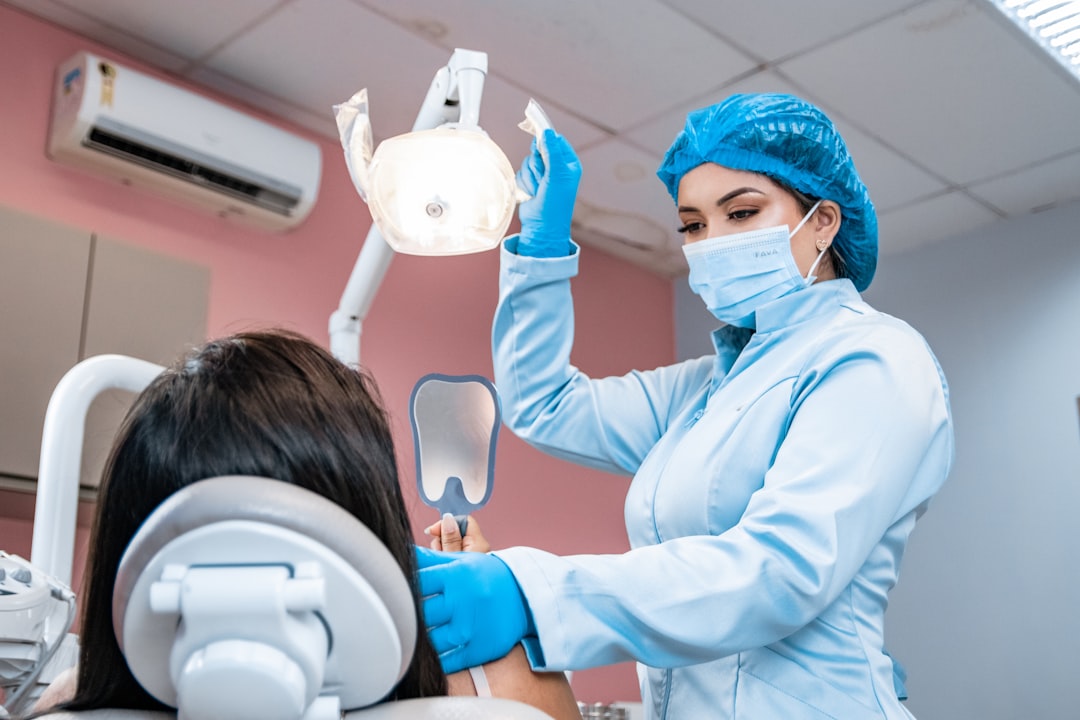
When we think about dental emergencies, we often picture a sudden, intense pain or an unexpected injury. However, dental emergencies encompass a wide range of situations that require immediate attention. These can include severe toothaches, broken or knocked-out teeth, abscesses, and even complications from previous dental work. Understanding the nature of these emergencies is crucial for us to respond effectively and seek the appropriate care. We must recognize that dental issues can escalate quickly, leading to more severe health problems if left untreated.
In many cases, the pain associated with dental emergencies can be debilitating. It can interfere with our daily activities, making it difficult to eat, sleep, or concentrate. Additionally, some dental emergencies may pose risks to our overall health. For instance, an untreated abscess can lead to systemic infections that affect other parts of the body. By understanding the various types of dental emergencies and their potential consequences, we can better appreciate the importance of prompt treatment and the role it plays in maintaining our oral health.
The Importance of Seeking Immediate Dental Care
When we experience a dental emergency, our first instinct might be to wait and see if the problem resolves itself. However, this approach can often lead to more significant issues down the line. Seeking immediate dental care is essential for several reasons. First and foremost, timely intervention can alleviate pain and discomfort. We should not underestimate the impact that a toothache or injury can have on our quality of life. By addressing these issues promptly, we can return to our normal routines much faster.
Moreover, immediate care can prevent further complications. For example, a cracked tooth may seem manageable at first, but if left untreated, it could lead to infection or even tooth loss. By seeking help right away, we can minimize the risk of more extensive treatments or procedures later on. Additionally, many dental offices offer emergency services specifically designed to handle urgent situations. This means that we have access to professional help when we need it most, ensuring that our dental health remains a priority.
What is Sedation Dentistry?

Sedation dentistry is a specialized approach that allows us to undergo dental procedures while feeling relaxed and comfortable. This technique is particularly beneficial for those who experience anxiety or fear related to dental visits. By using various forms of sedation, dentists can help us manage our stress levels and make the experience more pleasant. Sedation dentistry is not just for those with severe anxiety; it can also be useful for individuals undergoing lengthy procedures or those with a low pain threshold.
The concept of sedation dentistry revolves around creating a calm environment where we can receive necessary treatments without the overwhelming feelings of fear or discomfort. Depending on our needs and the complexity of the procedure, different levels of sedation may be employed. From mild sedation that allows us to remain awake but relaxed to deeper sedation that may render us less aware of our surroundings, this approach caters to a wide range of patients and their unique requirements.
Types of Sedation Used in Dental Emergencies

In the realm of sedation dentistry, there are several types that we might encounter during a dental emergency. The most common forms include nitrous oxide, oral sedation, and intravenous (IV) sedation. Nitrous oxide, often referred to as “laughing gas,” is a mild sedative inhaled through a mask. It helps us feel relaxed while still allowing us to respond to questions and follow instructions from our dentist.
Oral sedation involves taking a prescribed medication before our appointment. This method can range from mild to moderate sedation, depending on the dosage and type of medication used. We may feel drowsy and relaxed but will still be able to communicate with our dentist if needed. On the other hand, IV sedation provides a deeper level of relaxation and is administered directly into our bloodstream. This method allows for quick adjustments in sedation levels based on our comfort and response during the procedure.
Benefits of Sedation for Dental Emergencies
| Metric | Details |
|---|---|
| Average Wait Time for Emergency Sedation | 30-45 minutes |
| Types of Sedation Offered | Oral Sedation, Nitrous Oxide, IV Sedation |
| Availability | 24/7 Emergency Services |
| Success Rate of Sedation Procedures | Over 95% |
| Patient Satisfaction Rate | 92% |
| Common Emergency Procedures | Tooth Extractions, Root Canals, Abscess Drainage |
| Average Duration of Sedation | 1-2 hours |
| Cost Range | Varies by procedure and sedation type |
| Insurance Accepted | Most major dental insurances |
The benefits of sedation during dental emergencies are numerous and significant. One of the primary advantages is the reduction of anxiety and fear associated with dental procedures. For many of us, just the thought of visiting the dentist can trigger stress and apprehension. Sedation dentistry helps alleviate these feelings, allowing us to approach our treatment with a calmer mindset.
Additionally, sedation can enhance our overall experience by minimizing discomfort during procedures. Whether we are undergoing a simple filling or a more complex extraction, sedation allows us to remain relaxed and pain-free throughout the process. This not only makes the experience more bearable but also enables our dentist to work more efficiently without interruptions caused by discomfort or anxiety. Ultimately, sedation dentistry can lead to better outcomes and a more positive attitude toward future dental visits.
Who Can Benefit from Sedation Dentistry?
Sedation dentistry is not limited to individuals with severe anxiety; it can benefit a wide range of patients in various situations. For those who have had negative experiences in the past or who feel apprehensive about dental work, sedation offers a way to overcome these fears and receive necessary care without distress. Additionally, individuals with special needs or those who have difficulty sitting still for extended periods may find sedation particularly helpful.
Moreover, patients undergoing extensive procedures or multiple treatments in one visit can also benefit from sedation dentistry. By reducing discomfort and anxiety, we can complete necessary work more efficiently and effectively. Even those with a low pain threshold or heightened sensitivity may find that sedation enhances their overall experience at the dentist’s office.
Finding an Emergency Dentist in Boston
When faced with a dental emergency in Boston, knowing how to find an emergency dentist is crucial for timely care. We should start by searching online for local dental practices that offer emergency services. Many dental offices provide information about their emergency protocols on their websites, including hours of operation and contact details for urgent situations.
Additionally, asking friends or family for recommendations can be invaluable. Personal experiences often provide insight into the quality of care offered by specific dentists. Once we identify potential emergency dentists, it’s essential to check their credentials and reviews from other patients to ensure we choose a reputable provider who meets our needs.
What to Expect During a Sedation Dental Emergency Visit
During our visit to an emergency dentist for sedation dentistry, we can expect a thorough evaluation before any treatment begins. The dentist will assess our condition and discuss our medical history to determine the most appropriate form of sedation for us. This conversation is vital as it allows us to express any concerns or preferences regarding our treatment.
Once we agree on a sedation method, the dentist will explain what will happen during the procedure. If nitrous oxide is used, we will wear a mask that delivers the gas while remaining conscious throughout the process. For oral or IV sedation, we may feel drowsy but still able to respond as needed. Throughout the procedure, the dental team will monitor our vital signs and comfort levels closely to ensure our safety and well-being.
Safety and Risks of Sedation Dentistry
While sedation dentistry is generally safe when performed by trained professionals, it is essential for us to be aware of potential risks involved. Some individuals may experience side effects such as drowsiness, nausea, or headaches after receiving sedation. In rare cases, allergic reactions or complications related to underlying health conditions may occur.
To minimize risks, it’s crucial that we provide our dentist with accurate information about our medical history and any medications we are currently taking. This transparency allows them to tailor the sedation approach specifically for us and ensure our safety throughout the procedure.
Aftercare and Recovery from Sedation Dentistry
After undergoing sedation dentistry for a dental emergency, we should expect some level of recovery time before resuming normal activities. Depending on the type of sedation used, we may feel groggy or disoriented immediately following the procedure. It’s advisable for us to arrange for someone to drive us home after our appointment since operating a vehicle may not be safe until the effects have fully worn off.
Our dentist will provide specific aftercare instructions tailored to our situation. These may include guidelines on managing any discomfort or swelling post-procedure as well as recommendations for follow-up care if necessary. Adhering to these instructions is vital for ensuring a smooth recovery process.
Cost and Insurance Coverage for Sedation Dentistry in Boston
Understanding the cost associated with sedation dentistry in Boston is an important aspect of planning for our emergency dental care needs. The price can vary based on factors such as the type of sedation used, the complexity of the procedure, and individual dental practices’ pricing structures. It’s wise for us to inquire about costs upfront during our initial consultation.
Insurance coverage for sedation dentistry also varies by provider and plan type. Some insurance plans may cover part or all of the costs associated with sedation if deemed medically necessary for specific procedures. We should check with our insurance provider beforehand to understand what is covered under our plan and what out-of-pocket expenses we might incur.
In conclusion, navigating dental emergencies requires prompt action and understanding of available options like sedation dentistry. By recognizing the importance of immediate care and knowing what to expect during treatment, we can ensure that we receive the best possible care while minimizing discomfort and anxiety throughout the process.