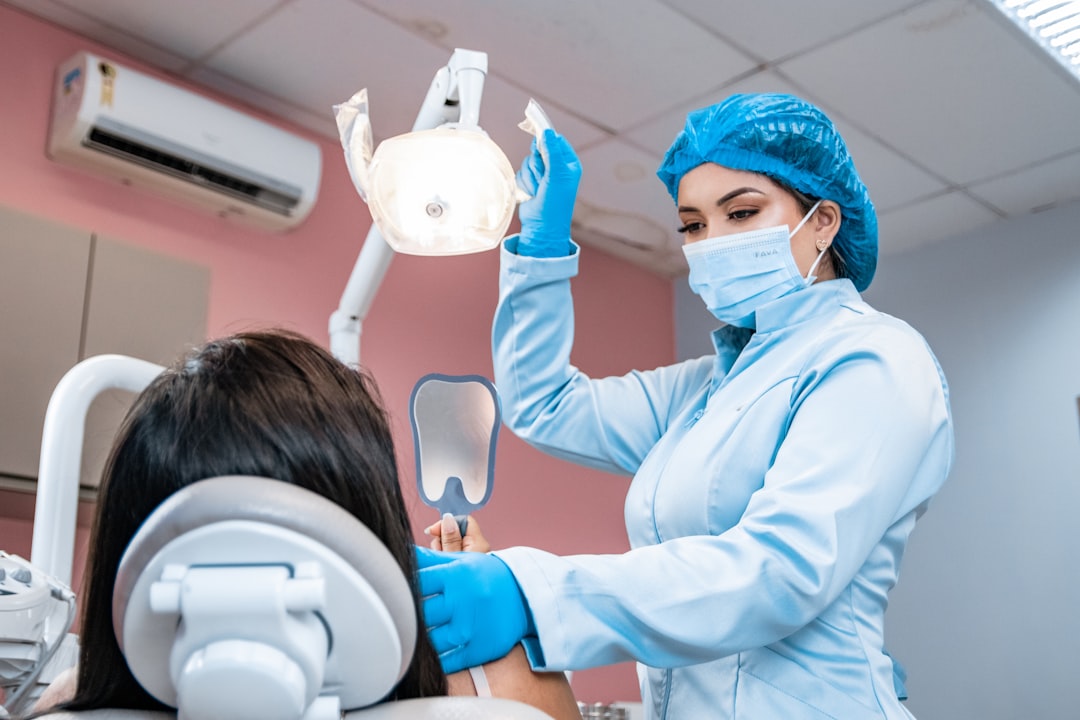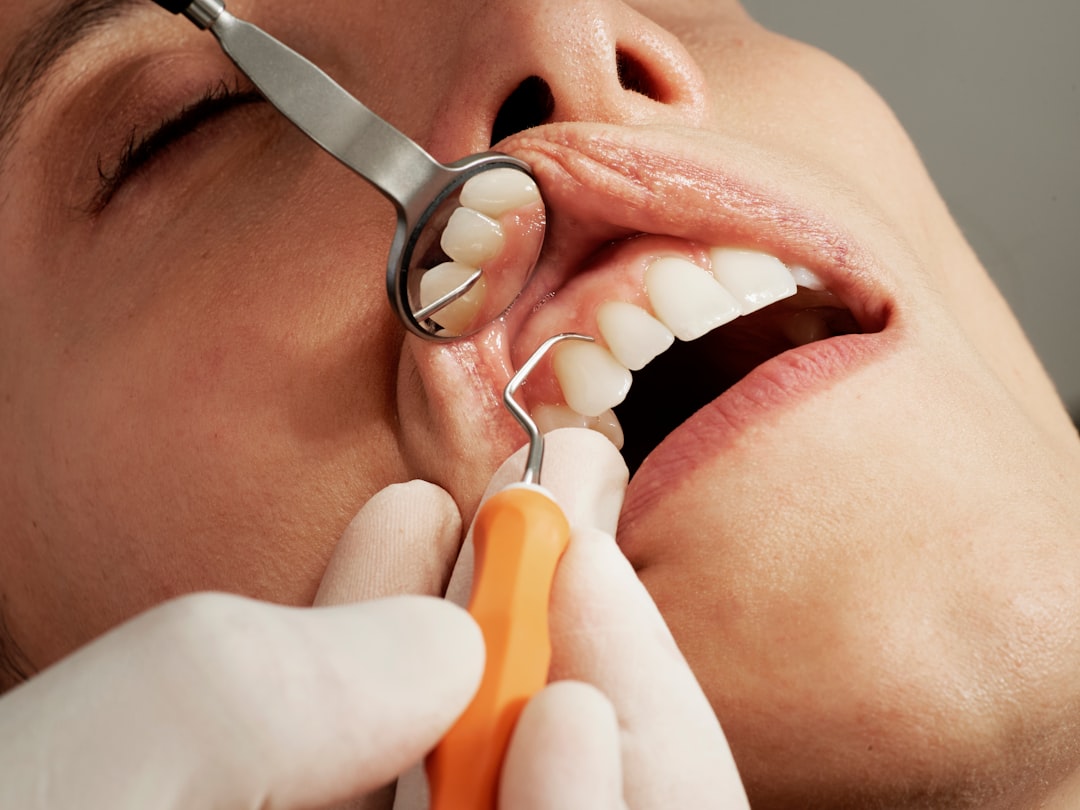
Chipped teeth can be a common dental issue that many of us face at some point in our lives. The causes of chipped teeth are varied and can range from accidental trauma, such as a fall or a sports injury, to more mundane activities like biting down on hard foods or grinding our teeth during sleep. Each of these scenarios can lead to a small fracture or chip in the enamel, which is the outer protective layer of our teeth. Over time, even minor chips can worsen if left untreated, leading to more significant dental problems. Understanding the causes of chipped teeth is crucial for us to take preventive measures and seek timely treatment.
The impact of a chipped tooth extends beyond just the physical appearance of our smile. A chipped tooth can affect our confidence and self-esteem, making us hesitant to smile or speak openly in social situations. Additionally, a chipped tooth can lead to discomfort or pain, especially if the chip exposes the sensitive inner layers of the tooth. This discomfort can interfere with our daily activities, from eating to speaking, and may even lead to more severe dental issues if not addressed promptly. Therefore, recognizing the importance of addressing chipped teeth is essential for maintaining both our oral health and our overall well-being.
Finding the Right Dentist in Boston for Chipped Tooth Repair
When it comes to finding the right dentist in Boston for chipped tooth repair, we must consider several factors to ensure we receive the best possible care. First and foremost, we should look for a dentist who specializes in cosmetic dentistry or restorative procedures. These professionals have the expertise and experience necessary to assess the damage accurately and recommend appropriate treatment options tailored to our specific needs. Reading online reviews and seeking recommendations from friends or family can also help us identify reputable dentists in our area.
Another important aspect to consider is the dentist’s approach to patient care. We want a dentist who prioritizes communication and takes the time to explain our treatment options thoroughly. A good dentist will not only address our immediate concerns about the chipped tooth but will also discuss preventive measures to avoid future issues. Scheduling a consultation can provide us with an opportunity to gauge the dentist’s demeanor and approach, ensuring we feel comfortable and confident in their abilities.
Different Treatment Options for Chipped Tooth Repair
Once we have found a suitable dentist, we can explore the various treatment options available for repairing a chipped tooth. One common method is dental bonding, where a tooth-colored resin is applied to the affected area and shaped to match the natural contours of our tooth. This procedure is relatively quick and can often be completed in a single visit, making it an attractive option for those seeking immediate results.
Another option we might consider is porcelain veneers, which are thin shells of ceramic material that are custom-made to fit over the front surface of our teeth. Veneers can effectively cover chips while also improving the overall appearance of our smile. While this option may require more time and investment than dental bonding, it offers a durable solution that can last for many years with proper care. Our dentist will help us weigh the pros and cons of each treatment option based on the severity of the chip and our personal preferences.
The Process of Chipped Tooth Repair: What to Expect

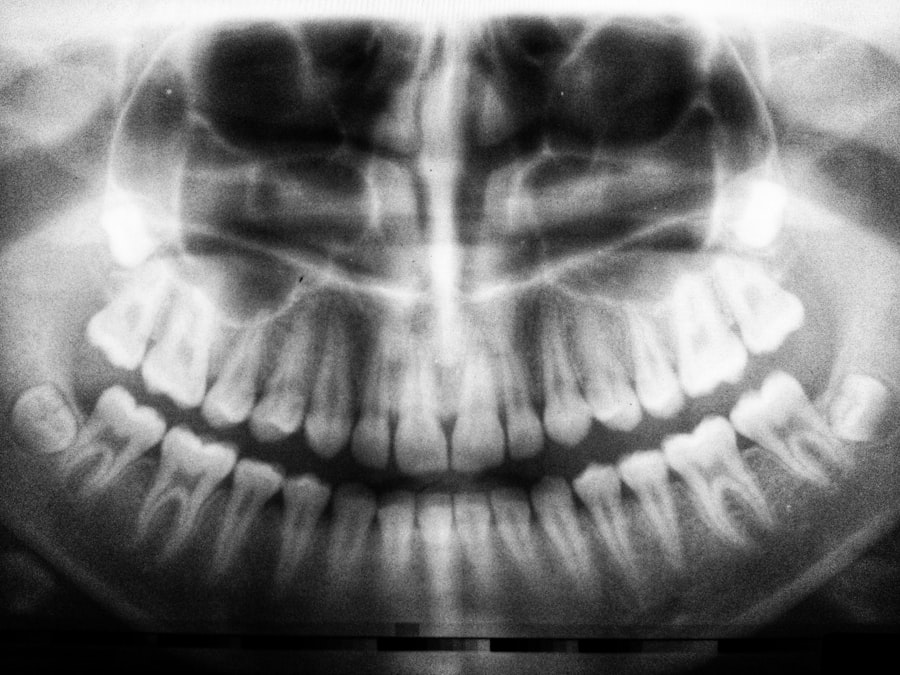
Understanding what to expect during the chipped tooth repair process can help alleviate any anxiety we may have about the procedure. Initially, our dentist will conduct a thorough examination of our mouth, taking X-rays if necessary to assess the extent of the damage. This step is crucial in determining the best course of action for repair. Once we have discussed our treatment options and made a decision, the actual repair process can begin.
For dental bonding, our dentist will first prepare the tooth by roughening its surface slightly to ensure better adhesion of the resin. Then, they will apply the bonding material, shape it to match our natural tooth, and finally cure it with a special light to harden it. The entire process typically takes about an hour, allowing us to leave the office with a restored smile on the same day. If we opt for porcelain veneers, we may need two appointments: one for impressions and another for placement after our custom veneers are ready.
Cost of Chipped Tooth Repair in Boston: Factors to Consider
| Service | Average Cost | Average Repair Time | Common Techniques | Provider Location | Patient Satisfaction Rate |
|---|---|---|---|---|---|
| Dental Bonding | 150 – 400 | 30 – 60 minutes | Composite resin application | Boston, MA | 85% |
| Porcelain Veneers | 800 – 2,500 | 1 – 2 weeks | Custom porcelain shell placement | Boston, MA | 90% |
| Dental Crowns | 1,000 – 3,000 | 1 – 2 weeks | Full coverage crown placement | Boston, MA | 92% |
| Emergency Tooth Repair | 200 – 600 | Within 24 hours | Temporary bonding or crown | Boston, MA | 88% |
The cost of chipped tooth repair in Boston can vary significantly based on several factors that we should keep in mind as we plan for treatment. One primary consideration is the type of repair method chosen; dental bonding tends to be more affordable than porcelain veneers due to its less complex nature. Additionally, the extent of the damage will influence costs; larger chips may require more extensive work, leading to higher expenses.
Insurance coverage is another factor that can impact our out-of-pocket costs. Some dental insurance plans may cover a portion of cosmetic procedures if they are deemed medically necessary, while others may not provide coverage at all. It’s essential for us to check with our insurance provider and discuss payment options with our dentist’s office before proceeding with treatment. By understanding these factors, we can make informed decisions about our dental care without compromising our financial well-being.
Benefits of Chipped Tooth Repair: Restoring Functionality and Aesthetics
Repairing a chipped tooth offers numerous benefits that go beyond mere aesthetics. One significant advantage is the restoration of functionality; a repaired tooth allows us to chew food comfortably without pain or discomfort. This improvement in function can enhance our overall quality of life, making everyday activities like eating and speaking much more enjoyable.
Moreover, addressing a chipped tooth can significantly boost our self-confidence. A complete smile often leads to increased self-esteem, allowing us to engage more freely in social interactions without feeling self-conscious about our appearance. The psychological benefits of having a healthy smile should not be underestimated; it can positively influence both personal and professional relationships, ultimately contributing to our overall happiness.
Risks and Complications of Delaying Chipped Tooth Repair
While it may be tempting to postpone treatment for a chipped tooth, doing so can lead to several risks and complications that we should be aware of. One immediate concern is that a chip can worsen over time, potentially leading to more extensive damage that requires more invasive treatments or even tooth extraction. The longer we wait, the greater the likelihood that additional issues will arise.
Furthermore, delaying repair can expose sensitive areas of our teeth to bacteria and food particles, increasing the risk of decay or infection. This situation could lead to more severe dental problems that necessitate root canals or other complex procedures down the line. By addressing a chipped tooth promptly, we not only protect our oral health but also save ourselves from potential pain and higher costs associated with more extensive treatments.
Maintaining Oral Hygiene After Chipped Tooth Repair
After undergoing chipped tooth repair, maintaining proper oral hygiene becomes even more critical for us to ensure the longevity of our treatment. We should continue brushing twice daily with fluoride toothpaste and flossing regularly to remove plaque buildup around the repaired area. Our dentist may also recommend specific products or techniques tailored to our needs following treatment.
In addition to regular brushing and flossing, we should schedule routine dental check-ups every six months. These visits allow our dentist to monitor the condition of our repaired tooth and address any concerns before they escalate into more significant issues. By committing to good oral hygiene practices post-repair, we can help preserve both our dental work and overall oral health.
Long-Term Care for Chipped Tooth: Preventing Future Damage
To prevent future damage to our teeth after repairing a chip, we must adopt certain lifestyle changes and habits that promote long-term dental health. For instance, if we grind our teeth at night—a condition known as bruxism—our dentist may recommend wearing a nightguard while sleeping. This simple device can protect our teeth from excessive wear and tear caused by grinding.
Additionally, being mindful of what we eat can play a significant role in preserving our dental work. We should avoid hard foods that could potentially chip or damage our teeth again, as well as limit sugary snacks that contribute to decay. By making these conscious choices and prioritizing regular dental visits, we can significantly reduce the risk of future chips or other dental issues.
Alternative Cosmetic Dentistry Options for Chipped Tooth Repair
While dental bonding and porcelain veneers are popular choices for repairing chipped teeth, there are alternative cosmetic dentistry options worth considering as well. For instance, crowns are an excellent solution for more extensive damage; they cover the entire tooth and provide added strength while improving aesthetics. Crowns are particularly beneficial if we have experienced significant wear or decay alongside chipping.
Another option is cosmetic contouring, which involves reshaping the tooth by removing small amounts of enamel to improve its appearance without requiring extensive restoration work. This method is ideal for minor chips or irregularities in tooth shape and can often be completed in one visit. Our dentist will guide us through these alternatives based on our specific situation and desired outcomes.
Testimonials and Success Stories: Real Patients’ Experiences with Chipped Tooth Repair in Boston
Hearing testimonials from real patients who have undergone chipped tooth repair in Boston can provide us with valuable insights into what we might expect from treatment. Many individuals share stories about how repairing their chipped teeth transformed not only their smiles but also their lives. For instance, one patient recounted how they had avoided social gatherings due to embarrassment over their chipped front tooth but felt an overwhelming sense of relief after receiving dental bonding.
Another success story highlights how porcelain veneers helped restore confidence for someone who had long struggled with uneven teeth due to chips and wear over time. After their treatment, they expressed newfound joy in smiling freely without feeling self-conscious about their appearance. These testimonials remind us that seeking timely treatment for chipped teeth can lead to significant improvements in both aesthetics and overall quality of life.
In conclusion, understanding chipped teeth—along with their causes, impacts, treatment options, costs, and long-term care—is essential for maintaining optimal oral health and confidence in our smiles. By taking proactive steps toward repair and prevention, we can ensure that our smiles remain bright and healthy for years to come.